
 Send Email
 - Home Page
- Company Profile
-
Services
- Instrumental Analysis
- Preparative HPLC
- X-ray Photoelectron Spectroscopy- XPS
- Gas Chromatography - GC
- Total Organic Carbon Instrumental
- TESTING LAB
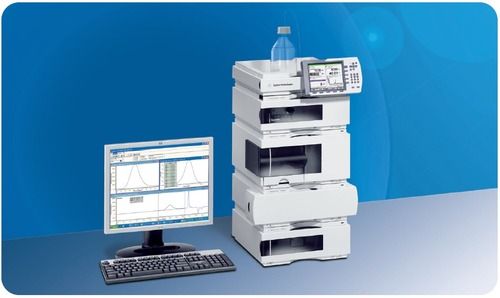
- Liquid Chromatography -HPLC
- GCMS
- LCMS
- Particle Size Analysis by Sedigraph
- Gel Permeation Chromatography - GPC
- Ion Chromatography
- Thermogravimetric Analysis - TGA
- Differential Scanning Colorimetry - DSC
- UV Visible Spectroscopy - UV-Vis
- Fourier Transform Infrared Spectroscopy - FTIR
- Inductive Couple Plasma Spectroscopy - ICP
- Atomic Absorption Spectrophotometry - AAS
- Energy Dispersive X Ray Fluorescence Spectroscopy
- Nuclear Magnetic Resonance Spectroscopy - NMR
- Colour Measurement Macbeth Spectrophotometer
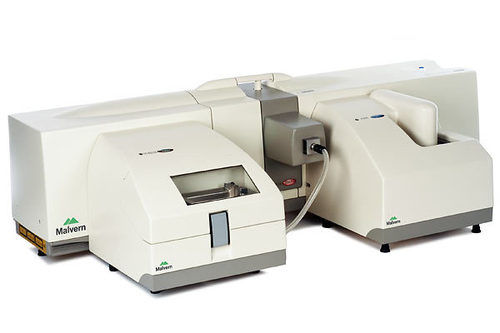
- Particle Size Analysis by Malvern Mastersizer
- Scanning Electron Microscopy - SEM
- SEM-EDAX
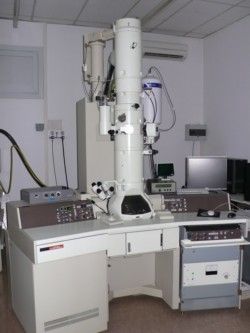
- Transmission Electron Microscopy - TEM
- X Ray Diffraction - XRD
- Surface Area & Pore Volume Analysis by BET
- Porosity Measurement Mercury Porosimeter
- Surface Tension by Surface Tensiometer
- Elemental Analysis Using Elemental Analyzer - CHNS
- CHEMICAL TESTING LAB
- Microbiological Analysis
- Atomic Force Microscopy - AFM
- Particle Size Testing by Sympatec
- MALDI-MS
- ZETA POTENTIAL BY ZETA SIZER
- PARTICLE SIZE ANALYSIS BY NANOSIZER
- Product Analysis
- Pigment Analysis
- Perfume Flavours Fragrance Essential Oil Analysis
- Environmental - Water Analysis
- Metal & Metal Alloy Analysis
- Mineral Ores Analysis
- Plastic Polymer Analysis
- Fertilizer Soil Analysis
- Coal Analysis
- Thermic Fluid Waste Oil Analysis
- Petroleum Products Fuel Analysis
- Vegetable Oil & Fats Analysis
- Textile Analysis
- Soaps Detergent Analysis
- Food Analysis
- Electric Components Analysis
- Cementious Material & Fly Ash Analysis
- Analytical Testing Laboratories
- Speciality Chemicals Services
- Instrumental Testing
- GCMS Testing
- LCMS Testing
- GPC Testing
- GC Testing
- HPLC Testing
- Ion Chromatography Testing
- TGA Testing
- DSC Testing
- UV Testing
- FTIR Testing
- ICP Testing
- AAS Testing
- XRF Testing
- NMR Testing
- Colour Measurement Testing
- Particle Size Testing by Malvern Mastersizer
- SEM Testing
- SEM-EDAX Testing
- TEM Testing
- XRD Testing
- Surface Area & Pore Volume Testing
- Porosity Measurement Testing
- Surface Tension Testing
- CHNS Testing
- TOC Testing
- Testing Laboratory
- MICROBIOLOGICAL TESTING
- XPS Testing
- AFM Testing
- Particle Size Testing
- MALDI-MS Testing
- ZETA POTENTIAL TESTING BY ZETA SIZER
- Particle Size Testing by Nanosizer
- Particle Size Testing by Sedigraph
- Preparative HPLC Testing
- Product Testing
- Perfume-Fragrance-Essent Oil Testing Services
- Nitrosamines Impurities Testing by LCMS
- Pigment Testing Services
- Water Testing Services
- Metal Testing Services
- Ores Testing Services
- Polymer Testing Services
- Fertilizer Soil Testing Services
- Coal Testing Services
- Thermic Fluid Testing Services
- Petroleum Testing Services
- Vegetable Oil Testing Services
- Textile Testing Services
- Detergent Testing Services
- Food Testing Services
- Electric Components Testing Services
- Fly Ash Testing Services
- Chemicals Testing Services
- Solvent Testing Services
- Chemical Testing Services
- Lab Testing Services
- Laboratory Testing Services
- Instrumental Analysis
- Contact Us





 Send Inquiry
